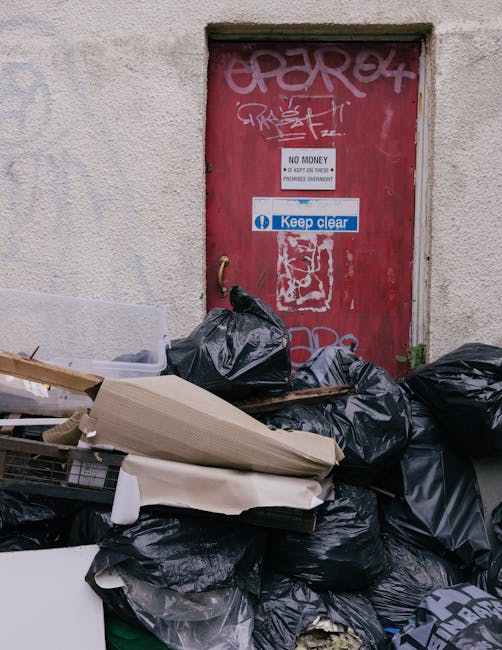
Seven Sisters rubbish removal guide for N15 homes
If you live in N15, rubbish can build up faster than you expect. A loft full of old furniture. Bags from a clear-out. A half-finished DIY job sitting in the hallway. Before long, the question is not whether you need it gone, but how to get it cleared without making a mess of your week.
This Seven Sisters rubbish removal guide for N15 homes is here to make that decision easier. It explains the practical options for local household waste, how the process usually works, what to watch out for, and when a skip, wait-and-load collection, man and van service, or full rubbish removal makes the most sense. No fluff. Just the useful stuff, written for real homes in and around Seven Sisters.
To keep things simple, we will look at access issues, permit concerns, common waste types, safety, recycling, and the small planning details that save time and money. If you are comparing services, it also helps to understand the difference between domestic skip hire, wait-and-load skip hire, and rubbish removal before you book anything.
Why Seven Sisters rubbish removal guide for N15 homes Matters
N15 homes come with their own set of realities. Some properties have tight front paths, basement levels, shared access, or limited on-street parking. Others are terraced houses where one bulky item can turn into a neighbourly obstacle course. It is not dramatic to say that waste removal gets harder when access is awkward. It simply does.
That is why a local rubbish removal guide matters. It helps you match the job to the space. A small flat clear-out needs a different approach from a garden overhaul or a post-renovation pile of rubble. If you choose the wrong method, you can end up paying for unnecessary capacity, waiting around for collection, or dealing with a skip that should never have gone on the road in the first place.
There is also the safety angle. Broken furniture, sharp offcuts, dusty plasterboard, and old appliances can be awkward to lift and even awkwarder to store while you decide what to do. Left too long, they get in the way. A bit like that one chair everyone promises to fix. You know the one.
For many households, the key question is whether a dedicated man and van service, a standard skip hire option, or direct collection is the cleanest answer. The right choice usually depends on access, volume, timing, and how much hands-on effort you want to take on yourself.
How Seven Sisters rubbish removal guide for N15 homes Works
Rubbish removal in Seven Sisters usually follows a straightforward pattern, though the details vary by service. You describe what needs removing, share a rough amount or a few photos, and arrange a collection window. The team then turns up, loads the waste, and takes it away for sorting, recycling, or disposal.
For homes in N15, the method matters almost as much as the waste itself. If the load can be carried out from a drive or front garden, a van-based collection may be quick and tidy. If the waste is already bagged and you have enough space to keep it on site, a skip may be more convenient. If you only need a short loading window and do not want a container sitting outside, a wait-and-load arrangement can be a smart middle ground.
Some households also compare specialist services for specific items. Old mattresses and bulky sofas are not the same as mixed household clutter, and fridges bring their own handling needs. For those jobs, it is worth looking at mattress and sofa disposal and fridge and appliance removal rather than treating everything as generic waste.
If the waste comes from decorating or building work, the approach shifts again. Heavy rubble, timber, tiles, and plasterboard can call for builders skip hire or other construction-focused options. That is where a bit of planning pays off. Truth be told, the load that looks "about a car boot full" can become something very different once it is broken down properly.
Key Benefits and Practical Advantages
The biggest benefit of using the right rubbish removal method is simple: less stress. But the real advantages are a bit more specific than that.
- Faster clearing: You can remove clutter without hiring a van yourself or making repeated trips to the tip.
- Better access planning: Services can be matched to narrow streets, shared entrances, and limited parking.
- Cleaner results: Professional collection usually leaves less mess behind than DIY handling.
- More suitable disposal: Waste can be sorted for recycling or specialist handling where needed.
- Less lifting strain: Helpful if you are clearing a loft, garage, or a room full of heavy items.
There is also a practical financial benefit: the right service often avoids paying for more than you need. For example, if you only have a handful of awkward items and some bagged clutter, booking a huge container may be overkill. On the other hand, if you are clearing a full house or a renovation load, a one-off collection might be too small and too expensive per item.
The best results usually come from matching the waste type to the collection style. That sounds obvious, but people skip that step all the time. Then they end up frustrated because the service they chose was not designed for the job.
Who This Is For and When It Makes Sense
This guide is for anyone in Seven Sisters or the wider N15 area who wants to clear waste without wasting time. That includes flat owners, tenants, landlords, homeowners, small trades, and anyone in the middle of a life admin avalanche. If your hallway has become a storage zone, welcome, you are among friends.
It makes particular sense in these situations:
- spring clean or end-of-tenancy clear-outs
- garage, loft, shed, or cellar decluttering
- bulky furniture disposal
- garden waste after pruning, landscaping, or a seasonal tidy-up
- small building or decorating projects
- house moves where items are being sorted before packing
- urgent clearances after a broken appliance or a large delivery change
If you are dealing with mixed contents rather than a single item, a broader service like house clearance or garage and loft clearance may be a better fit. For commercial spaces, offices, or retail units, the needs are different again, and there are separate options such as office clearance and commercial skip hire.
Step-by-Step Guidance
If you want the process to feel smooth rather than chaotic, follow a simple sequence. It does not have to be fancy.
- Identify the waste type. Separate general household clutter, garden waste, construction debris, electrical items, and anything potentially hazardous.
- Estimate volume realistically. A few bin bags is not the same as a room full of furniture. If you can, take photos from a few angles.
- Check access. Think about stairs, narrow gates, permit requirements, parking, and whether a vehicle can stop near the property.
- Choose the right collection style. Compare a skip, man and van, wait-and-load, or direct rubbish removal based on access and timing.
- Confirm restricted items. Certain waste needs separate handling. This is especially true for appliances, chemicals, paints, and other regulated materials.
- Prepare the load. Bag loose waste, flatten where safe, and keep pathways clear for lifting.
- Book with a clear time slot. If you need the job done same day, look at same day skip hire or similar fast-response options.
- Keep proof and paperwork safe. Especially where a permit, invoice, or disposal note may matter later.
A useful habit is to sort waste into three piles before booking: keep, remove, and unsure. The "unsure" pile is where many delays happen, so be honest with yourself. If something is broken but repairable, decide now. If not, it probably does not need another month of sitting there looking guilty.
Expert Tips for Better Results
After enough clear-outs, a few patterns become obvious. Small preparation choices make the biggest difference.
Take photos before you book. This helps with accurate advice and avoids underestimating the load. A single photo can be misleading, especially in a narrow room where perspective does funny things.
Separate recyclable items where you can. Clean cardboard, untreated wood, metal, and some garden waste are often easier to sort when they are not tangled with mixed rubbish. That supports better recycling outcomes and may make the job tidier overall. If sustainability matters to you, it is worth looking at recycling and sustainability.
Think about timing. Early starts can be easier in residential streets, especially where parking gets tight later in the day. A mid-morning collection may work better if you need time to move items out from storage.
Use enclosed options for sensitive loads. If you are clearing confidential documents, mixed office waste, or items you do not want exposed, an enclosed solution can feel more secure. The page for enclosed and lockable skip hire is worth a look for that kind of job.
Ask how the waste will be handled. Reputable services should be clear about sorting, recycling, and safe disposal. You do not need a lecture, just a straight answer.
Common Mistakes to Avoid
The same avoidable issues crop up again and again, and they can turn a simple job into an annoying one.
- Booking too small a solution. If you guess low, the job may need a second collection.
- Ignoring access restrictions. A narrow road, parking bay, or permit issue can cause delays.
- Mixing restricted items with general waste. That can complicate collection and disposal.
- Leaving everything until the last minute. Rubbish tends to grow roots if you give it enough time.
- Not checking what can go in the chosen container. If you are using a skip, review what can go in a skip before loading it up.
- Forgetting about permits where needed. A skip placed on a public road may require approval, and that detail should never be assumed away.
One especially common mistake is treating every waste type as interchangeable. It is not. A bag of garden clippings, a broken sofa, and renovation rubble all behave differently, weigh differently, and may need different disposal routes. That small distinction matters more than people expect.
Tools, Resources and Recommendations
You do not need a van full of equipment to get this done well. A few basic items help, though.
- Strong bin bags: Useful for smaller loose waste and easier handling.
- Gloves: Not glamorous, but very helpful for old wood, dusty cardboard, and awkward edges.
- Dolly or sack truck: Handy for heavier items if you are moving them short distances.
- Tape measure: Good for checking whether furniture or containers will fit through doors and gates.
- Phone camera: Use it to record the load before you book.
For households comparing options, these pages can help frame the decision: skip sizes and prices if you want to compare container sizes, pricing and quotes if you want to understand costs, and book online if you are ready to arrange collection.
If your waste is mixed but not especially heavy, a man and van option can be a practical choice. If it is heavier or needs to be loaded directly from a site with access issues, grab hire services may be worth considering. Different tools for different jobs. Simple, really.
Law, Compliance, Standards, or Best Practice
Rubbish removal is one of those everyday services that still comes with responsibilities. In the UK, households and operators are expected to handle waste responsibly, and some waste streams need particular care. You do not need to memorise legislation to make a sensible choice, but you should know the broad norms.
First, hazardous items should not be thrown in with ordinary household rubbish. Paints, solvents, certain chemicals, and other risky materials may require separate handling. If in doubt, ask before you book. A cautious answer is better than a messy one. For those situations, a dedicated hazardous waste disposal route is more appropriate.
Second, electrical items often need specific processing. Fridges, freezers, and similar appliances are not just bulky objects; they can involve gases, wiring, and other components that need proper treatment. That is why specialist fridge and appliance removal is often recommended instead of general dumping.
Third, if you are placing a skip on the public highway, a permit may be needed. Do not assume this will be covered automatically. Depending on the setup, you may need to review skip hire permits or skip permits. It is a small admin step that can prevent a much bigger headache.
Finally, good practice means choosing a provider that handles waste lawfully, protects people on site, and can explain what happens after collection. That sounds basic, but honestly, it is the difference between a tidy job and a gamble.
Options, Methods, or Comparison Table
Here is a simple comparison of the most common rubbish removal methods for N15 homes.
| Method | Best for | Main advantage | Potential downside |
|---|---|---|---|
| Rubbish removal | Mixed household waste, bulky items, quick clear-outs | Minimal effort for the homeowner | May be less suitable for very large loads |
| Skip hire | Ongoing DIY, renovations, garden projects, larger volumes | Flexible loading over time | May need permit and space outside the property |
| Wait-and-load | Properties with limited space or no room for a skip | No skip left on site | Loading time is usually limited |
| Man and van | Single collections, lighter mixed loads, furniture | Handy for awkward access | Volume can be limited by vehicle size |
For homes with a garden project, a focused service such as garden waste removal may be the cleanest route. For a larger renovation, construction-related waste may be better handled through construction waste disposal or similar services. The trick is not to force one method to do everything.
Case Study or Real-World Example
Imagine a terraced N15 home with a half-cleared loft, a tired three-piece sofa, and several bags of mixed clutter after a family move. The front path is narrow, parking is tight, and the household does not want a skip sitting outside for days. In that situation, a combined approach often works best.
The bulky sofa is handled separately through a furniture-focused collection, while the mixed clutter is collected in one visit. The owners bag loose items, keep the stairwell clear, and take photos so the load can be assessed before booking. Nothing fancy. Just sensible preparation.
In another case, a homeowner is redoing a small kitchen and has old units, packaging, and broken tiles. Here, a domestic removal option may not be enough on its own. The load is heavier and messier, so a builder-style collection or skip solution is more appropriate. That is where pages like builders waste removal and construction waste clearance become useful for planning the job.
The lesson is simple: start with the shape of the waste, not just the size of the pile. That one shift makes decisions far easier.
Practical Checklist
Use this before you book. It saves time, and it stops the usual last-minute scramble.
- Have I identified the main waste type?
- Do I know whether anything is hazardous, electrical, or restricted?
- Have I estimated the volume honestly?
- Is there enough access for lifting and loading?
- Do I need a permit if a skip will be placed on the road?
- Have I checked whether I need a same-day or scheduled collection?
- Are heavy items separated from light mixed waste?
- Have I taken photos for an accurate quote?
- Do I know whether I want skip hire, wait-and-load, or direct rubbish removal?
- Have I cleared the route from the property to the collection point?
If you can tick most of those off, you are in a good place. Not perfect, maybe. But good enough to make the whole thing feel manageable, which is what matters.
Get a free quote today and see how much you can save.
Conclusion
For N15 households, rubbish removal is rarely just about taking waste away. It is about choosing the right method for the property, the street, the load, and your own time constraints. A little planning turns a stressful clear-out into a clean, workable process.
If you remember only one thing from this Seven Sisters rubbish removal guide for N15 homes, let it be this: match the service to the waste, not the other way round. That is where the savings, convenience, and peace of mind usually come from. And once the clutter is gone, the house feels bigger. Quieter too, somehow.
When you are ready, compare your options, check access, and choose the most practical route for the job. Small steps. Clear outcome. That is the whole game.
Frequently Asked Questions
What is the best rubbish removal option for a small N15 home?
For a small home or flat, the best option is often direct rubbish removal or a man and van collection, especially if access is tight and you do not want a skip outside. If the waste is bulky but limited in volume, those services can feel much simpler.
Do I need a permit for rubbish removal in Seven Sisters?
Usually not for direct collection, but you may need a permit if you are using a skip on a public road. It depends on where the container is placed, so it is worth checking before you book.
Is skip hire better than rubbish removal for N15 homes?
Not always. Skip hire is often better for ongoing jobs like decorating or garden work, while rubbish removal can be better for one-off clear-outs, furniture, or awkward access. The better choice depends on the waste and the space.
Can I put old furniture in a skip?
Often yes, but it depends on the skip provider and the item type. Sofas, mattresses, and large furniture are sometimes better handled through specialist disposal services, especially if you want a smoother collection.
What items count as hazardous waste?
Things like solvents, chemicals, certain paints, and similar materials can be classed as hazardous or need separate handling. If you are unsure, do not guess. Ask first.
How do I estimate how much rubbish I have?
A practical way is to think in terms of bin bags, furniture pieces, and room size. Photos help a lot. If the pile is mixed or spread across a loft, take a few images from different angles so the load is easier to judge.
What if I only need waste removed the same day?
Same-day collection can be possible in some cases, especially for urgent clear-outs. Availability depends on timing, access, and the type of waste. It is one of those jobs where the earlier you ask, the better.
Can garden waste be collected separately?
Yes, and that is often a good idea. Branches, soil, grass cuttings, and green waste can be handled more efficiently when kept separate from general household rubbish.
Is wait-and-load useful for Seven Sisters streets with limited parking?
Very much so. If you do not have space for a skip or do not want one left outside, wait-and-load can be a smart choice. The vehicle arrives, the waste is loaded, and it leaves without hanging around.
What should I do before a rubbish removal team arrives?
Clear access, separate restricted items, bag loose waste where possible, and keep the route open from the property to the collection point. A bit of prep makes the job faster and usually less stressful.
Can rubbish removal help with a loft or garage clear-out?
Yes. In fact, it is often ideal for lofts and garages because those spaces tend to contain mixed clutter, old storage boxes, awkward furniture, and items that are hard to move in one go.
How do I choose a trustworthy waste service?
Look for clear explanations, practical advice, and sensible answers about waste handling, access, and disposal. If a provider can explain the process plainly, that is usually a good sign. You want calm competence, not sales noise.