Recycling and Sustainability at Skip Hire Seven Sisters
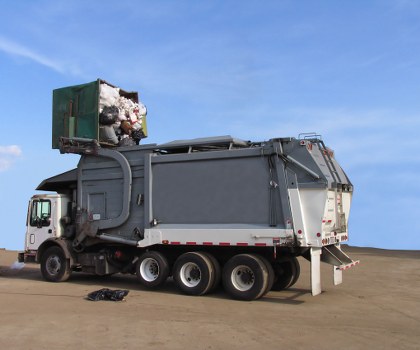 Skip Hire Seven Sisters is committed to creating an eco-friendly waste disposal area and a long-term approach to sustainable rubbish management across the local area. Our Seven Sisters skip hire services work alongside local borough policies to reduce landfill, encourage reuse and increase the proportion of materials recovered from skips and collections. We combine operational best practice with community partnerships to make every removal part of a practical circular-economy solution.
Our sustainability promise and targets
We have set a clear recycling percentage target to measure progress: a company-wide goal of achieving a 70% recycling and recovery rate for all skip waste by 2028. This ambition is supported by interim milestones and regular reporting so customers and local stakeholders can see measurable improvements. Skip hire in Seven Sisters now prioritises sorting at source, enhanced material separation and smarter routing to reduce emissions.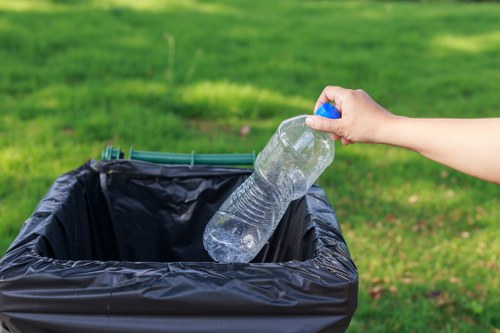 Local boroughs such as Haringey and Islington encourage household and commercial waste separation — food waste, mixed recyclables, paper and card, glass and textiles — and we align our services with those schemes. Typical recycling activity in the area includes:
- source separation of mixed construction and household recyclables,
- bulky waste diversion for furniture and appliances,
- textile and electronic recycling through certified reuse channels.
Local transfer stations and material recovery
We use local transfer stations and facilities to keep journeys short and ensure proper sorting: loads are taken to nearby hubs such as Edmonton EcoPark and other transfer stations coordinated by the North London Waste Authority and regional MRFs. These sites act as the next step after collection, where material streams are separated, consolidated and moved on to recycling processors. Keeping material flows local reduces transport miles and speeds up the route to reuse or recycling.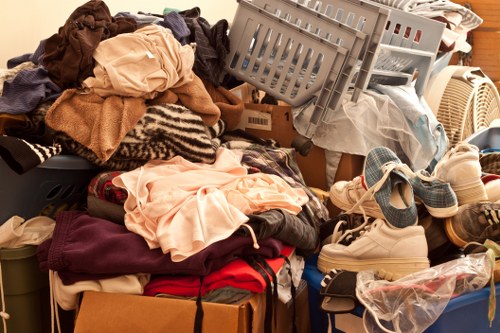 Partnerships with charities and community groups are central to our reuse-first approach. We work with local social enterprises, furniture reuse projects, and redistribution charities to divert items that are still in good condition. Examples of collaborative activity include arranging furniture and appliance collections for refurbishment, transferring usable textiles to community reuse centres, and coordinating food redistribution where relevant. These links help Seven Sisters skip hire turn what could be waste into resources for people in need.
Our organisation also supports sustainable collection models by offering segregated skips designed to keep recyclable streams clean, reducing contamination at the MRF stage. Low-carbon vans and alternative transport mean we can support smaller loads destined for charity partners or specialist processors without unnecessary detours. We actively source electric and hybrid vehicles and are trialling cargo-bike collections for tight streets and short trips.
To meet our recycling percentage target, we combine operational systems with community education. Regular audits of skip contents, weighing and reporting enable us to track progress toward our objective of 70% recycled by 2028. We also benchmark performance against local authority reuse and recycling rates so that skip hire Seven Sisters contributes positively to borough-level goals.
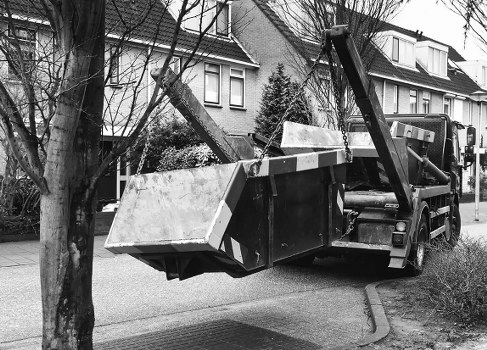 On the sustainability front we maintain a mixed low-emission fleet: electric vans for short urban work, plug-in hybrids for longer runs, and Euro 6 compliant vehicles for heavier collections. Route optimisation software reduces idling and empty runs; telematics help drivers follow the most efficient routes, lowering carbon emissions across our operations. This investment makes a measurable difference to the carbon footprint of each job and reinforces our role as a local low-carbon rubbish partner.
 What you can do to help: simple actions by customers significantly improve outcomes. When hiring a skip from Seven Sisters skip hire consider:
- segregating materials on-site where possible (wood, metal, plasterboard, general waste),
- listing reusable items separately for charity collection,
- avoiding contaminating recyclables with food or hazardous waste,
- selecting the right skip size to reduce unnecessary trips.
Reporting and continuous improvement: we publish performance summaries that show progress against our recycling targets and provide transparency on the percentage of materials redirected from landfill. Our aim is to exceed local expectations for responsible waste handling while remaining practical and affordable for homeowners, builders and businesses.
Across every job, skip hire in Seven Sisters focuses on delivering an eco-friendly waste disposal area ethos: less waste to landfill, more materials reused, and a smaller transport footprint. By coordinating with local transfer stations, partnering with charities and investing in low-carbon vans, we make sustainable rubbish removal the normal choice for the community.
Skip Hire Seven Sisters remains dedicated to continuous improvement, regulatory compliance and community collaboration. Whether you are managing a home clear-out or a site project, our sustainable services aim to maximise recycling, support local reuse and reduce emissions — helping Seven Sisters become greener, one skip at a time.